
Like everything in life, practicing tarot is cyclical. Sometimes you're fascinated with the cards: feeling drawn to pull on every morning, doing reading for anyone and everyone, or spending nights alone interpreting intricate personal readings.
And sometimes the cards just aren't calling to you.
When I was in college I had a strange way of writing papers. I'd start out in a frenzy of research, stockpiling books and pouring over articles. It was an exhilarating hunt (and full of reading - lots and lots of reading). And then I'd just stop. Walking around campus, daydreaming as I rode the bus back to my apartment, I'd put all the piles of books to the side and turn off the computer. I needed to get out in the world, read a book about something fascinating and decidedly un-academic. Hell, I'd even take baths and pour over wrinkled copies of UsWeekly, a habit I still have today.
And yet I had a deep feeling that while I stepped away from the process of creating and studying, another process was unfolding. It was as if the paper was slowly forming in my subconscious. When I finally sat down to write, the words came out quickly and with clarity I couldn't muster in the days before.
I think the same process is at work in tarot. Spending too much time engrossed in the cards detaches us from the world around us. I can tell when I need to go out and collect some magic, or simply let my tarot experiences rest and percolate. Give yourself the freedom to follow your own tarot cycles and trust that the cards will call to you when you're ready to come back.

Journaling is a wonderful practice to explore your inner world, and it’s no wonder then that it dovetails wonderfully with tarot. I’ve used the cards to enhance and guide my journaling practice for years, and I thought it would be helpful to outline some ways that you can do the same. As with all things tarot, take what resonates and leave the rest, and don’t forget to innovate! So, without further ado:
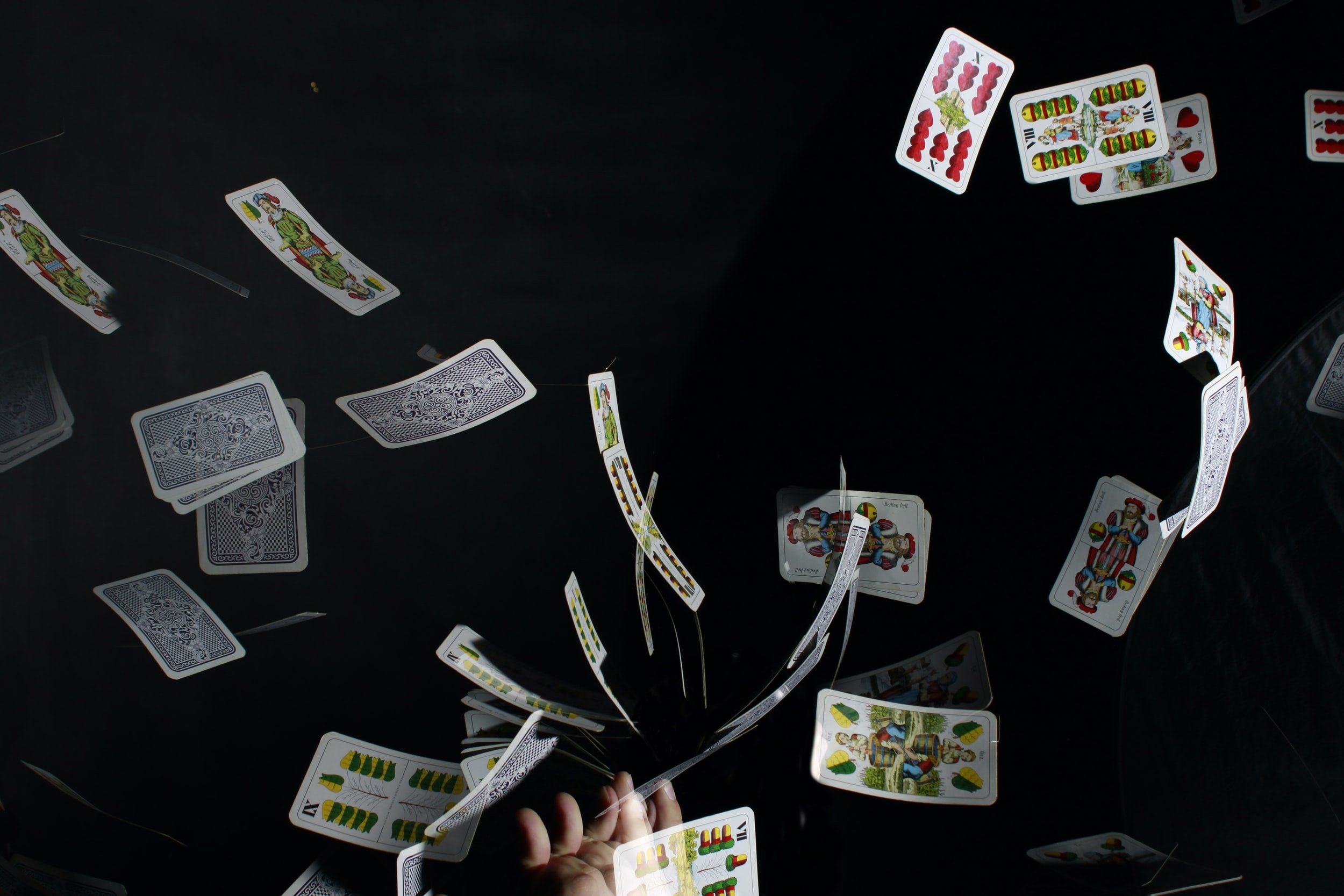
Ah, tarot spreads. You’ve seen them in tarot books, the little handouts accompanying your decks, and all over the internet. Maybe you even spend hours searching for just the right one, a tarot version of spending two hours at a blockbuster trying to find a movie to rent (yes, I just dated myself!) But why search far and wide when you can make your own? In my personal practice I mainly create my own spreads (you can find some of them here). Why? Because oftentimes I want a pointed look at a specific question, I enjoy tailoring a spread to whatever’s on my mind/what I need, and I hate pointless googling.

Tips for reading for yourself during times of stress, overwhelm, and difficulty. Learn how to set the stage for effective and healing readings that ground and inspire rather than confuse or upset.

I may be dating myself with this metaphor, but so be it! Back in the olden times we had these nifty contraptions called rolodexes. An unfurled binder of cards arranged by alphabet, you’d write people’s contact information - phone number, address, etc. - on a card. Sitting by your rotary landline phone you could flip through the rolodex, find the number of the person you wanted to dial, and spin away.
Rolodexes have gone by the wayside (so much so, that I couldn’t find a stock image of one - hence the book above) but they’e a useful framework when it comes to tarot meanings. Let me explain.

The initial steps to learning tarot are obvious. First, what on earth are these cards all about? Second, what do they all mean?
Since there are 78 cards to go through, this stage can take some time. But what about that next phase, when you’ve gotten a handle on the cards themselves and are starting to become fluent in tying them together? How can you tell when you’re starting to master tarot?

So you’ve been studying the cards and understand the different groupings and meanings, but when you do a reading and look at the whole spread it’s all a jumble. What next?
Creating a coherent reading out of a tangle of tarot cards is a big challenge. This is where the artistry and magic of tarot becomes obvious. Of all the ways you could go, which one to choose?

I like to tell people that even when you’re not reading tarot, you’re doing tarot.
We’re talking about a system that’s meant to reflect the human experience, aren’t we? Tarot, as it turns out, is all around us, from the biggest struggles and themes to the most quotidian routines.
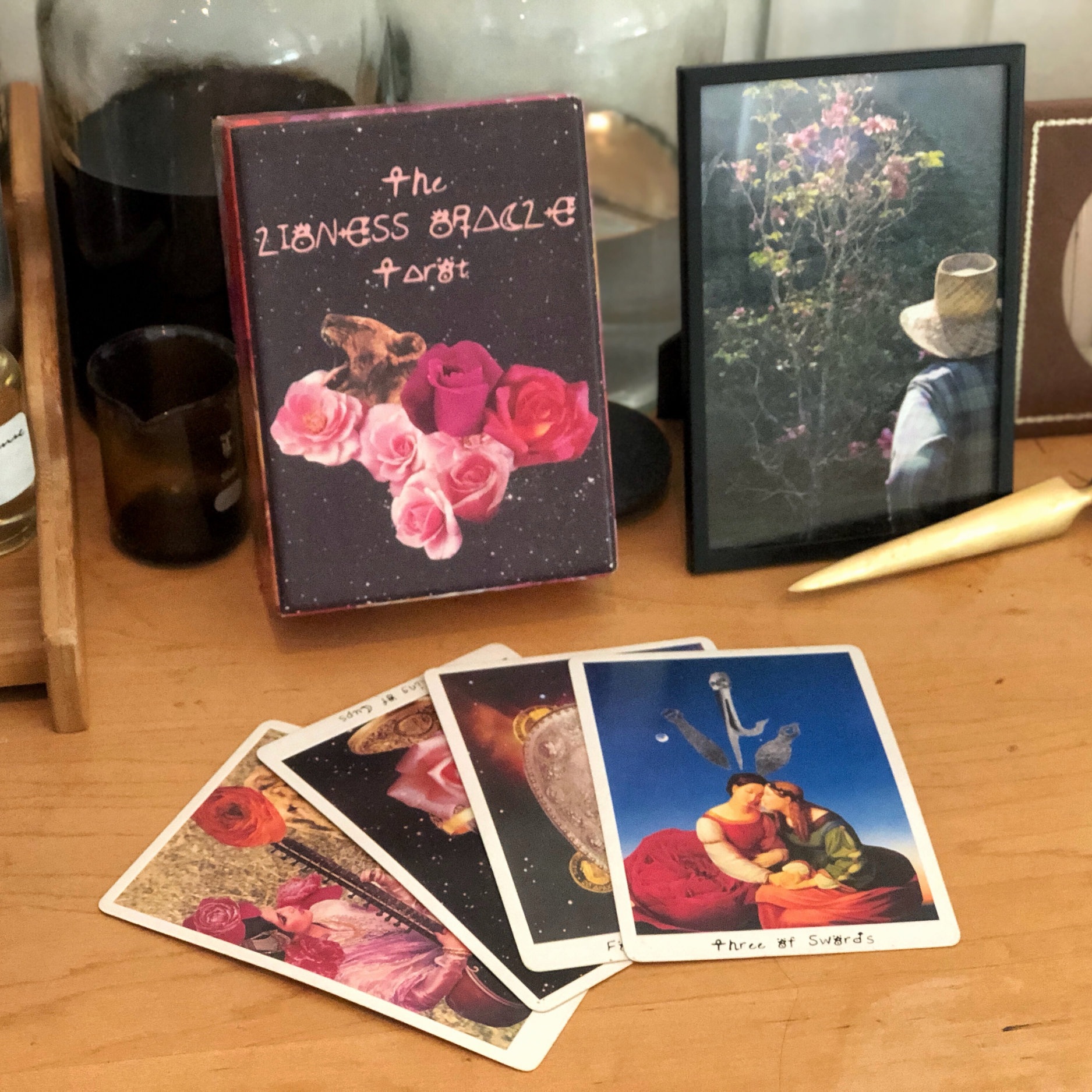
“But don’t you also have to be gifted your first deck?”
I don’t think any tarot myth gets me more worked up than this one. So it’s probably no surprise that I also love buying used and secondhand tarot decks for my collection. After all, tarot is simply a selection of images printed on cardstock. It’s what we do with them that makes them magical.

It’s the new moon in Aquarius and I’ve just launched the first episode of my new podcast , Open Magic, with the amazing Bri of Tadpole Magic. Our first topic? Intention setting, particularly the ways we can harness intentions to invite in the change and growth we need.
It’s so easy to get serious when reading tarot. With cards like The Tower, The Hermit, and the Ten of Swords, who could blame you for painting sweeping pictures, waxing poetic about existential dilemmas, and focusing on the mythic in the mundane? I’ve noticed, however, that sticking to these areas when reading can lead to burnout, not to mention a limited understanding of the cards. If everything is epic, how can you go to the cards to understand smaller issues like daily decisions, exciting and low-stakes choices, or even open-ended explorations of themes?